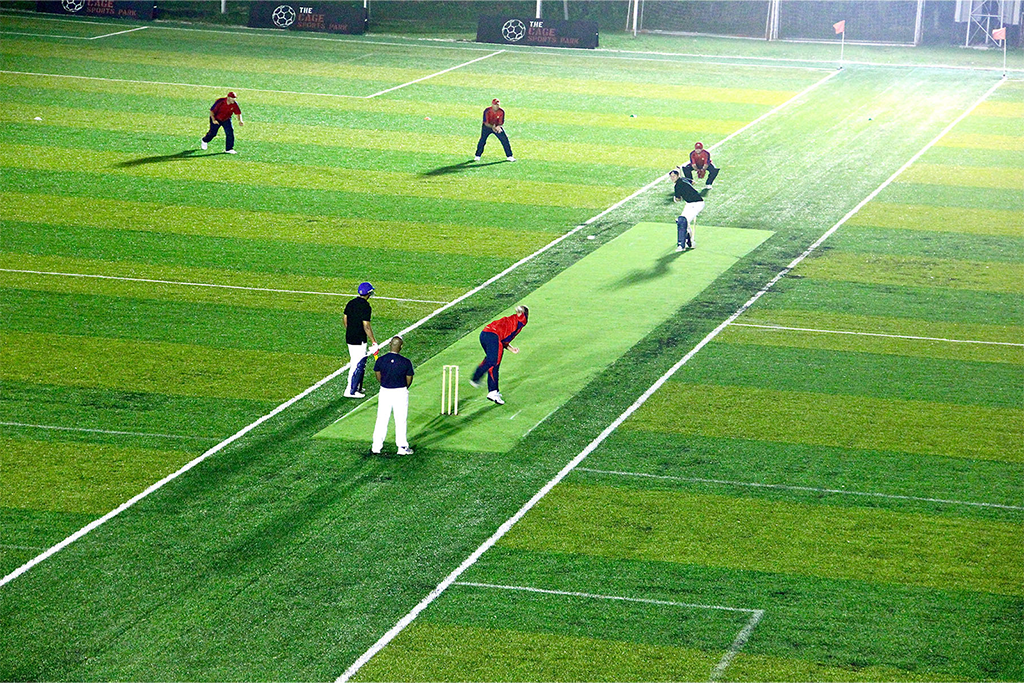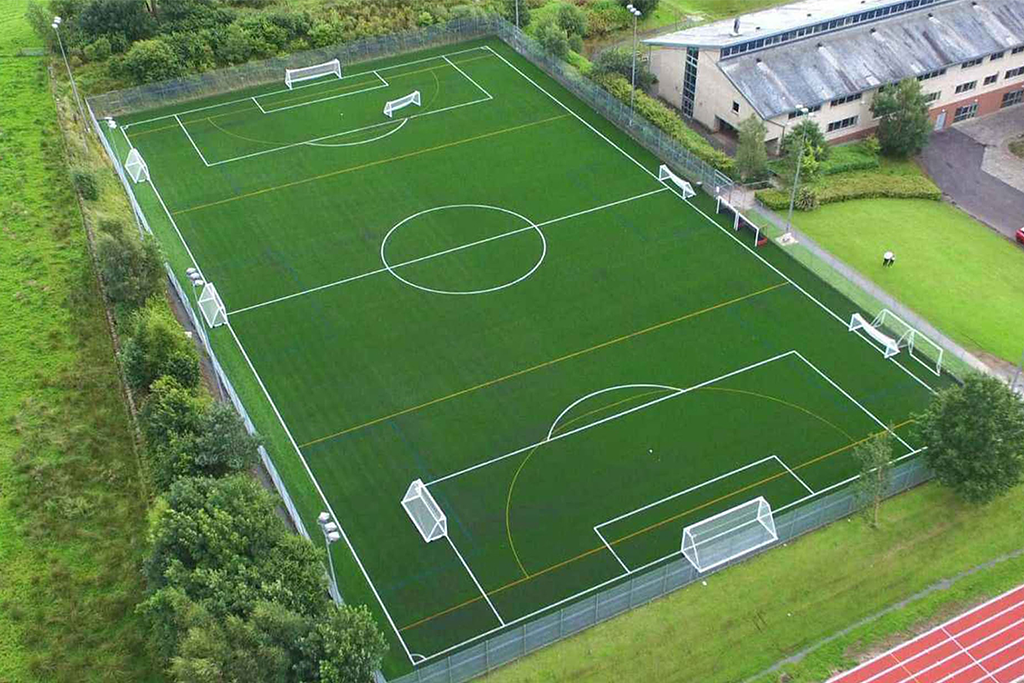
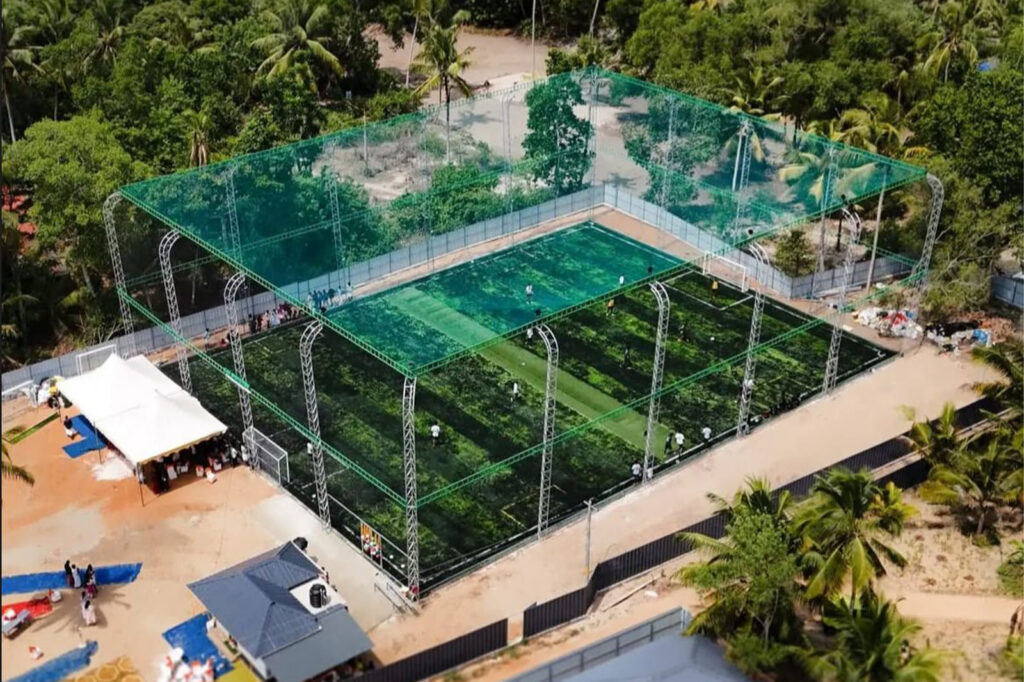
Artificial turf field construction has made it possible to create sports fields that look and feel like natural grass. This modern solution works well for football, cricket, hockey, and multi-sport areas. The materials used in turf construction greatly affect performance, durability, and cost. Many people wonder why artificial turf can be expensive. The price mainly depends on fiber type, backing, infill, and installation quality.
Synthetic Fibers: The Grass Blades
The synthetic fibers are the very first significant component in this setup as they make up the grass blades. Today’s synthetic fibers are made from materials such as polyethylene, polypropylene, or nylon. Polyethylene fibers tend to be soft, have a safe cut, and provide the feel of real grass, making them very popular for use in sports fields. Polypropylene synthetic fibers tend to be more lightweight and the least expensive option but typically are not likely to provide longevity. They are often used for decorative purposes. Nylon synthetic fibers are considered to be much stronger and resilient but they do tend to add to the overall cost for synthetic field installations. What this means is that the synthetic fibers used will have a direct impact on the use features and the cost to install.
Backing Material: Stability and Longevity
The backing holds the turf together and provides stability. It is usually made of latex or polyurethane. A stronger backing prevents tearing, improves flexibility, and extends the turf’s lifespan. Though it may cost more initially, it saves money over time by reducing repair and replacement needs.
Infill Material: Cushion and Safety
Moreover, infill is a vital component that influences safety and performance. For example, infill supports the blades, cushions falls, and stabilizes the field. Typical infill materials include rubber granules, silica sand, or eco-friendly alternatives, such as recycled materials. Rubber granules have outstanding shock absorption and durability, while silica sand is more economical but not as ‘playable.’ Eco-friendly infill can provide a balance of sustainability and performance but sometimes does come at a small additional cost. The choice of infill certainly affects how the field feels to play on, as well as how long it lasts and how much it will need to be maintained.
Cost Considerations in Artificial Turf Field Construction
Every material affects the total cost of artificial turf field construction. Lower-cost materials may seem attractive but wear out faster and need frequent maintenance. High-quality materials cost more upfront but provide better performance, safety, and long-term savings. Balancing quality with budget ensures a safe and durable field.
Conclusion: Make Smart Choices
To create a high-performance and durable sports surface, it is vital to understand the materials involved in artificial turf field construction. From the fibers to the infills, everything serves a purpose for durability, performance, safety, and costs. If you select quality materials and hire an experienced and professional company to install your turf, it will look great for years to come.
If you are considering building a new sports field or upgrading your old turf field, you can rely on Game Flix, the best sports court and turf installation company in India. They provide you with sound advice, only the best material in India, and professional installation for all projects.
Contact Game Flix today to start your next project, and design a field that performs great and is aesthetically pleasing!