A well-built turf cricket pitch creates the perfect playing surface for consistent bounce, player safety, and long-term durability. Whether you are developing a sports academy, school ground, club, or stadium, proper planning and construction are essential. You can choose between an artificial cricket turf and a natural clay wicket based on your budget, maintenance needs, and playing requirements.
At GameFlix Innovations, we design and build high-quality cricket pitches that combine performance, durability, and professional standards.
Types of Turf Cricket Pitches
Before you begin, decide which type of pitch best suits your facility.
Artificial Cricket Turf
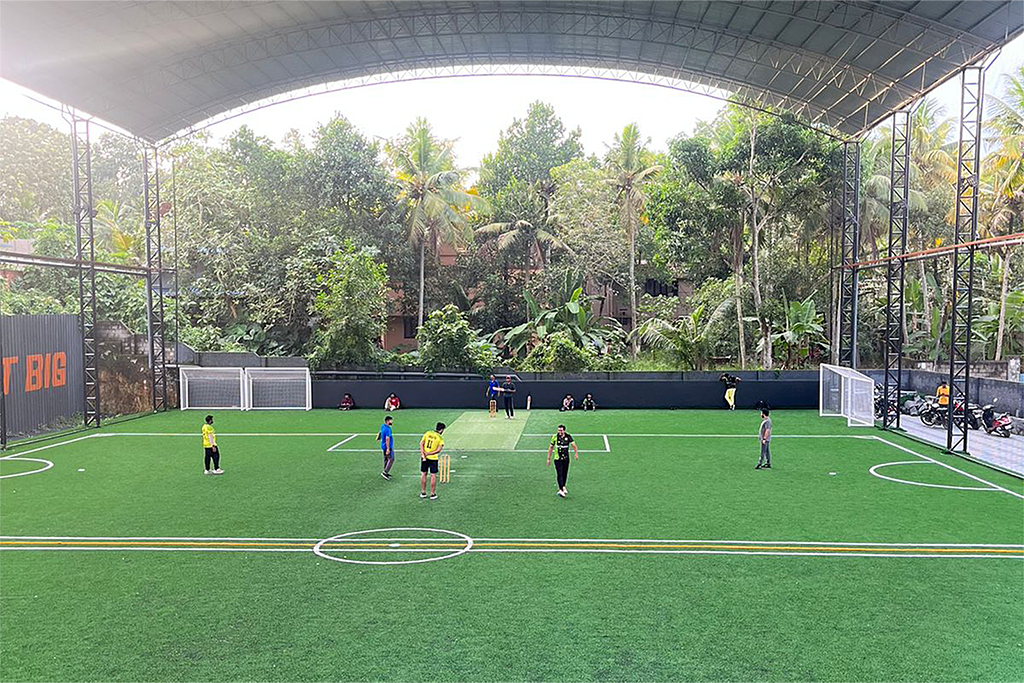
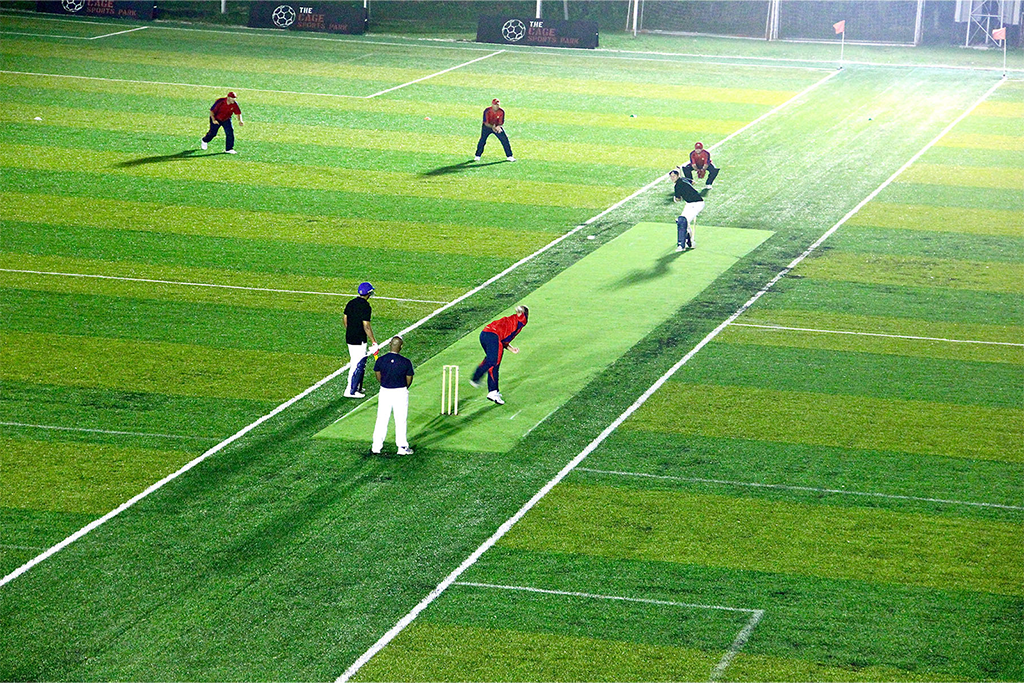
Artificial cricket turf offers excellent durability and requires minimal maintenance. It provides consistent ball bounce throughout the year and performs well in different weather conditions. Therefore, many schools, sports clubs, and training centres prefer artificial pitches.
Natural Clay Wicket
A natural clay wicket delivers the traditional playing experience used in professional cricket. It offers natural pace, bounce, and spin. However, it requires regular rolling, watering, mowing, and maintenance to keep the surface match-ready.
Step 1: Prepare the Ground
The first step is to prepare a strong foundation.
Start by excavating the area according to the standard cricket pitch dimensions. Usually, the pitch measures around 22–24 meters long, 2–3 meters wide, and 150–300 mm deep. After excavation, remove loose soil, debris, and unwanted materials to create a clean working surface.
Step 2: Build a Strong Base
Fill the excavated area with crushed stone or gravel. Then compact each layer using a heavy roller to prevent future settlement. A properly compacted base improves drainage and provides long-lasting stability.
For artificial pitches, install either a 75–100 mm concrete slab or a highly compacted stone dust layer. This creates a smooth, level surface that ensures consistent ball bounce.
Step 3: Install the Playing Surface
The installation process depends on the type of pitch.
Artificial Turf Installation
Choose a high-quality, densely stitched artificial cricket turf with a short pile height of 10–15 mm. Carefully roll out the turf and align it evenly across the prepared base. Next, secure the edges with weather-resistant adhesive, screws, or concrete nails to prevent movement during play.
Natural Clay Wicket Construction
For a natural wicket, use soil containing 40–60% heavy clay. This soil binds well and hardens under sunlight, creating the ideal playing surface.
Lay the clay in thin layers of 25–50 mm and compact each layer thoroughly. This process removes air pockets and improves pitch strength.
Step 4: Establish Healthy Grass
After preparing the clay base, plant durable grass varieties such as Bermuda grass or couch grass. These grasses tolerate frequent mowing and recover quickly from heavy use.
Regular watering helps the grass establish healthy roots. Once the grass grows evenly, mow it frequently to maintain the desired playing height.
Step 5: Roll and Prepare the Pitch
Proper rolling plays a major role in pitch performance.
Water the surface lightly and allow it to dry gradually. During the drying process, roll the pitch for 20 to 30 minutes each day. This compacts the surface further and creates the hard, even finish required for professional cricket.
As the moisture evaporates, the clay becomes firm, producing reliable bounce and better playing conditions.
Why Professional Construction Matters
A professionally built cricket pitch lasts longer and performs consistently. In addition, it reduces maintenance costs and enhances player safety. Every layer, from the foundation to the playing surface, contributes to the overall quality of the pitch. Therefore, experienced construction and proper materials make a significant difference.
Conclusion
Building a turf cricket pitch requires careful planning, quality materials, and expert installation. Whether you choose artificial turf for easy maintenance or a natural clay wicket for a traditional playing experience, a strong foundation ensures long-lasting performance.
At GameFlix Innovations, we build professional cricket pitches that meet international standards and deliver exceptional playability. Contact GameFlix Innovations today to create a durable, high-performance cricket pitch for your school, club, academy, or sports facility.